Excellent customer service: why AI and chatbots build customer loyalty
Fast, convenient and good – that's what customers expect from your customer service. And if they don't get it, they'll be off to the competition faster than you'd like. According to a survey, a single bad experience is enough to make 61% of customers think about switching. There's also the risk that they'll share their disappointment on social media.
So what's the secret to long-lasting relationships with your existing customers and to winning new ones? Top performance in customer service! For that, your employees need to be perfectly trained in all customer service matters. That improves not only your team's performance but also customer satisfaction and loyalty. Today, artificial intelligence (AI) plays a bigger and bigger role here – for example through chatbots.
In this post, you'll learn
- why customer service matters in every department,
- why training your customer service team is so important,
- which transformations AI brings,
- which improvements customers want,
- why chatbots increase your performance.
Customer service is more than a department
Customer service isn't just friendly words and quick reactions to complaints. It's a well-thought-out strategy that leads to more satisfied customers – a chance for you to charge your brand positively, win loyal customers and boost sales with upselling and cross-selling.
Don't forget: especially in times of digitalization and AI, companies can be reviewed and contacted around the clock.
Company values and culture therefore play a decisive role in your company's success. When they're internalized by all employees, regardless of their position or department, they can become a way of life. A good example is building these values into customer service training. When customers are always in focus, it creates trust and satisfaction. That in turn can lead to long-term customer relationships and have a positive impact on the company. A strong company philosophy can also help present a consistent image to the outside world and strengthen the company's reputation.
How useful is customer service training?
Customer service training teaches support staff various techniques and strategies to increase customer satisfaction. This includes not only training on the product or service itself, but also on dealing effectively with customers, AI and communication. In these trainings, employees learn, for example, how to respond empathetically to customer problems or how to explain complex information clearly. Technical training is often offered too, to make it easier for employees to work with support software and AI such as chatbots. This training gives support staff the tools they need to provide professional, customer-focused service. Especially important: using AI has transformed certain aspects of customer service.
Some of the key transformations since the introduction of AI are:
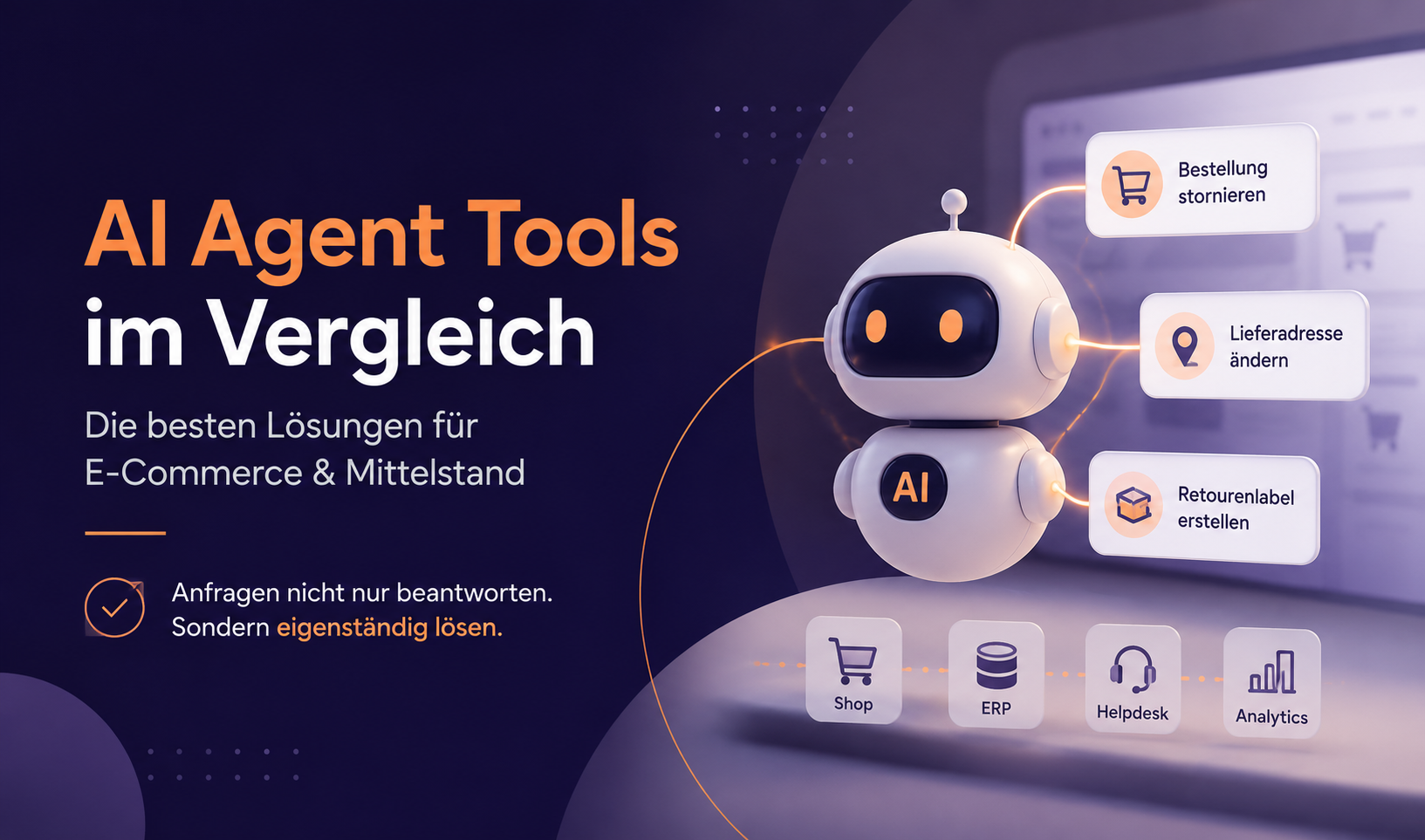
- Instant support through chatbots: AI-based chatbots provide instant answers to frequently asked questions and can complete simple tasks autonomously. That improves efficiency and makes it possible to handle customer inquiries around the clock.
- Personalized interactions: AI enables deeper analysis of customer data, which leads to personalized interactions. Companies can better understand individual needs and provide personalized recommendations or solutions.
- Process automation: AI automates repetitive customer service tasks such as handling standard inquiries, scheduling appointments or confirming transactions. That lets employees focus on more complex, higher-value tasks.
- Speech and text analysis for feedback: by analyzing customer reviews, comments and feedback in natural language, AI can spot trends and identify weak points in customer service. Companies can then respond proactively to customer needs.
- Predictive analytics for proactive support: AI can analyze data to predict problems before they occur. That lets companies offer solutions proactively and increase customer satisfaction.
- Better omnichannel experience: AI helps ensure a seamless, consistent customer experience across different channels. Whether customers communicate by phone, email, live chat or social media, the interaction can be contextual and personalized.
- Efficient ticket handling: AI can improve ticket handling by automatically prioritizing, routing and categorizing tickets. That leads to faster response times and more efficient handling of customer inquiries.
- Virtual assistants: AI-powered virtual assistants can take on complex tasks such as booking trips or solving complex technical problems, making customer service even more versatile.
- Better security: AI can help detect and combat fraud and security risks in customer service by monitoring suspicious activity in real time and responding to it.
- Continuous optimization: with AI, companies can keep optimizing their customer service. Analyzing data and customer feedback helps identify and fix weak points.
Integrating artificial intelligence makes the service experience more efficient, more personal and more customer-centric. That leads to a significant increase in customer satisfaction and loyalty.
68% of customers want improvements in customer service
In the Zendesk Customer Experience Trends Report 2022, a full 68% of customers said they want better training for customer service agents. And that's not all – only one in five employees is satisfied with the training so far. Time to get to work and train customer service teams properly!
Good customer service training gives agents the knowledge and skills they need to handle many different situations – whether they're helping "problem customers" or satisfied regulars. It also empowers agents to work more efficiently and confidently. The result: motivated agents, satisfied customers and more revenue.
For example, employees can learn how to calm "difficult customers" and solve their problems effectively. At the same time, they learn skills to support regular customers as well as possible and keep them satisfied in the long term. The training encourages employees to work more efficiently and confidently. That has a positive effect on agent motivation, customer satisfaction and, ultimately, the company's revenue.
AI enables faster, more precise handling of customer inquiries, e.g. through chatbots or speech recognition
While not long ago everything was the responsibility of customer service agents, today AI chatbots, for example, can take a lot of work off their hands – provided they've been technically trained beforehand.
The world is spinning faster and faster, and customers have high expectations of us too. The customer experience (CX) is decisive for strengthening the brand and influencing purchase decisions. No wonder, then, that according to the Zendesk report 71% of leaders are rethinking their CX. Customer service, as an important interface between customer and brand, is coming into focus.
According to the report, 61% of consumers long for natural experiences that fit easily into their lives and run smoothly. No wonder a multisensory customer experience is in demand that feels immersive across every touchpoint of the customer journey.
Chatbots increase performance
According to Zendesk, almost two thirds of leaders confirmed that investments in artificial intelligence have already significantly improved performance. And not only that – bots are getting better and more human-like. Customers notice it too: 72% see a clear increase in quality when dealing with these smart helpers. Chatbots are ideal for simple concerns in particular, where they can easily keep up with their human colleagues and even respond faster.
So it's time to break new ground and create an unforgettable customer experience. Today, both B2B and B2C customers want first-class support – with innovative technologies and clever virtual assistants. Not only companies but customers too now know AI's potential in support.
The technology is developing rapidly – chatbots are already used on websites and social media to provide information. But they'll be able to do much more: in future, they'll also take on control tasks and help with orders, returns or faults.
Conclusion: artificial intelligence is the engine of transformation in customer service
The customer is king: gone are the days when customers had to actively ask for help. Now the help comes to them. You should also respond to customers' wishes for better customer service.
Many companies are already smart enough to monitor customer data proactively, spot problems and flag them before they arise.
Thanks to cutting-edge technology, companies can even solve problems before customers find out about them – a trend that's taking the service industry into the future. In a few years, there will probably be more proactive and preemptive customer contacts than reactive ones.
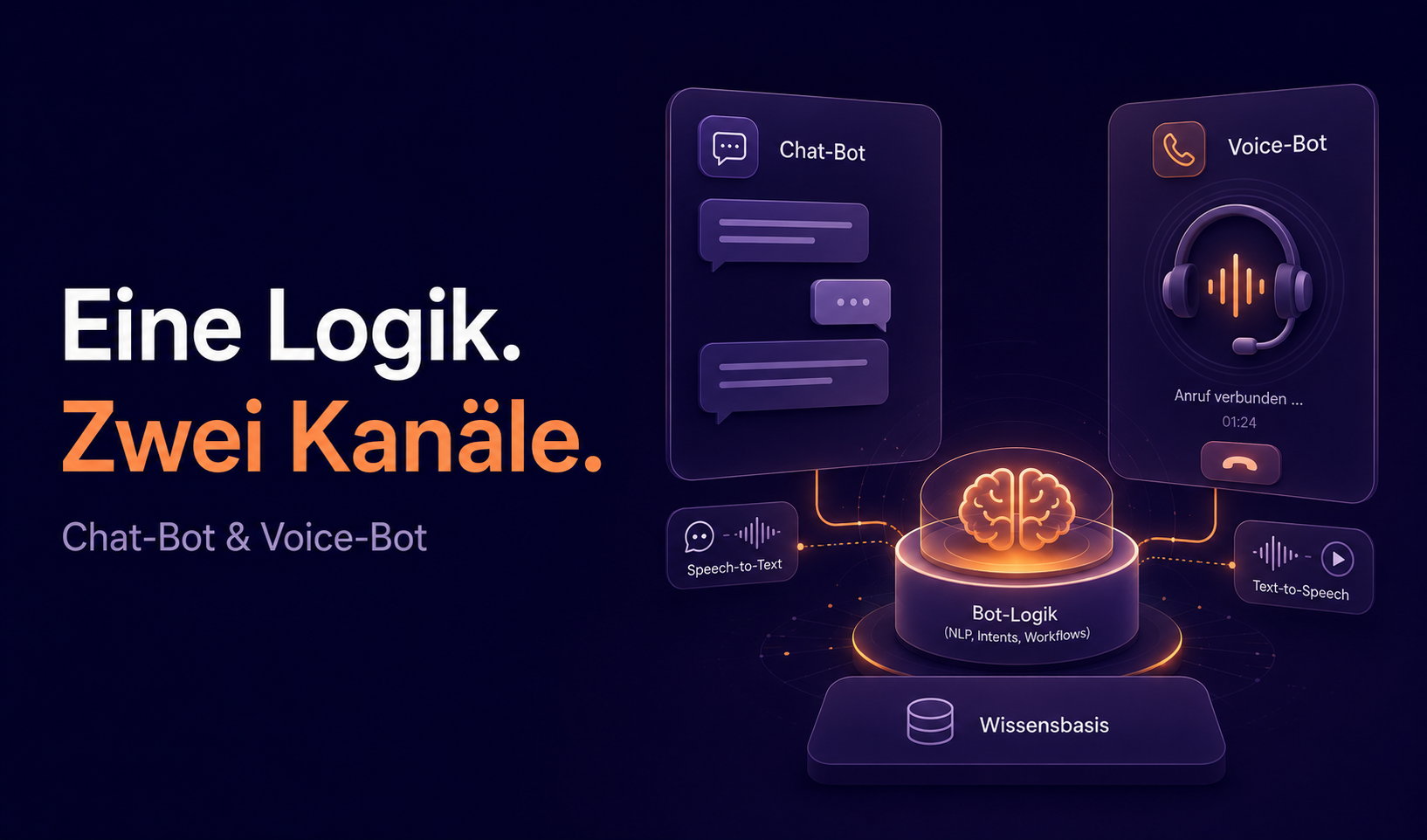
In the near future, voice-based bots will also play an increasingly important role in interaction between people and machines. Thanks to their advanced features, users will feel they're communicating naturally and directly with devices, whether for operation, maintenance or troubleshooting. One example could be voice assistants that give real-time troubleshooting instructions or answer complex sales questions.
To unlock such possibilities, however, voice-based AI applications need to be developed further. Only then can AI chatbots respond even more precisely and intuitively to customers' needs and offer them a seamless experience. So the future promises exciting developments in virtual assistants and voice-controlled technologies. Nothing stands in the way of transforming customer service – a train you should jump on today! We'll help you.