Retain employees, secure service: solutions for staff shortages
Staff shortages in customer service pose major challenges for many companies. Vacant positions lead to overloaded employees, longer waiting times and falling customer satisfaction. Targeted employee retention and customer service optimization can be decisive solutions. In this article, you'll learn how to master acute staffing problems and develop long-term strategies to retain your employees and improve customer service for good.
Companies' current situation
Instant availability is just one of the expectations customers now have of your customer service. In reality, though, your customers often face long waiting times and sometimes have to call several times about the same issue, explaining it again and again. That's frustrating and leads to falling customer satisfaction. Yet 85% of companies believe good customer service is crucial for customer satisfaction.
It's never been easier for customers to compare competing providers and switch immediately when customer service is poor. The digital advances of recent years, as well as the pandemic and inflation, have radically changed the requirements for customer service. To stay competitive and withstand cost pressure, many processes have to be realigned. At the same time, the aim is still to offer your own customers better service.
When it comes to staff shortages in customer service, many companies also face financial challenges. Building effective customer service in particular requires investment – not just directly, in salaries or benefits, but also in your employees through recruiting and training. You also have to invest in your customer service infrastructure: office space, IT systems and communications equipment all cost money. That's why larger companies in particular rely on customer service outsourcing.
What staff shortages in customer service mean
When we talk about staff shortages, we don't mean the occasional sick day. We mean the systematic collapse of your customer service team. Employees don't feel comfortable or committed to your company, so they move to the competition. The work of the missing staff has to be spread across the remaining employees. That leads to overtime and high stress, which harms your employees' mental and physical health. What follows is a vicious circle of redistributing work and employee stress that leads to burnout.
In this acute emergency, improving your customer service is hardly possible. Your employees are in survival mode, interactions with customers become more and more stressful and customer satisfaction falls.
More and more employees are becoming unable to work due to burnout, as this statistic from Statista shows:

Reasons for staff shortages in customer service
If you notice a staff shortage in your company, act right away. A lasting skills shortage always has a negative impact on your employees – especially on those who stay with your company the longest.
The demographic factor
Like society in general, the workforce is getting older. Many will retire soon, and fewer young professionals or trainees are coming through. So a certain loss of staff is inevitable. On top of that, company structures are often still geared to the needs and attitudes of older generations. Many younger employees, however, have different priorities. A good work-life balance and appreciation of their work are important factors for many younger employees in whether they feel comfortable at a company.
Order peaks and company growth
Sometimes your company gets more orders at certain times. During so-called peak season, many companies can no longer cope with their usual staff planning. Your team then no longer has enough capacity to answer all inquiries quickly and on time.
Even when your company is growing fast and still being built up, there can be short-term staff shortages in customer service. Finding, recruiting and then training or onboarding suitable employees takes time.
Problems within the company
Finally, there may be problems within the company. This happens especially when employee retention hasn't been looked after enough. In such situations, employees often don't feel comfortable at the company. They feel their work isn't recognized. Of course, it doesn't help if they're not paid fairly for their performance – that only adds to their frustration. If your employees also feel they're treading water and their careers aren't being developed, it's only a matter of time before they leave.
Solutions for your staff
Once you've recognized the staff shortage in customer service and identified some problems, you can fix them. If it's not immediately clear which measures to take, you can use the following levers as starting points on your journey to optimized customer service.
Staff planning
A big lever for optimizing your customer service is staff planning.
Timely: first, timely staff planning ensures your employees are informed about deadlines and orders early on, so they can plan their work better.
Flexible: with flexible staff planning, you try to counter unforeseen events. For example, flexible working hours can reduce pressure on your employees and help avoid lateness.
Optimized: even once staff planning is done, you should keep an eye on everything so you can respond quickly and efficiently to any absences.
If many of your employees will soon retire, it may be worth offering them partial retirement. With good employee retention, you keep these workers a while longer, and they can make the transition into retirement easier for your company.
Good communication for better employee retention
Talking about your employees instead of with them can cost you any chance of good employee retention. Only when you genuinely listen to your employees and take their concerns seriously can you build trust and open communication. It shows your employees that they matter to you and that their voice is heard in your company. Encourage your employees to give you feedback and take their suggestions into account when planning your next steps. Where possible, you can also accommodate your employees' preferences. Maybe one employee would much rather work from home, or another would prefer to start an hour later. As long as it makes no difference to their work where or exactly when they work, there's no reason not to accommodate their preference. Your employees will appreciate your flexibility, and this employee retention will have a positive effect on their work and ultimately on your company.
Measures for employee retention and motivation
For good employee retention and, as a result, optimized customer service, you have various options:
Flexibility: a good work-life balance is the buzzword of the moment. As long as it's possible in your company and industry, you can offer flexible working time models. The option to work from home also has a positive effect on employee retention. Your employees will repay the trust you place in them by handling their working time responsibly.
Motivation: lead by example and work with motivation on optimizing your customer service. Offer your employees effective conflict management so disagreements in your team don't spread and lead to poorer performance. Don't underestimate the positive effects of praise and recognition from managers, which boost motivation and employee retention.
Training: invest in your employees' skills and show them that their development in your company matters. Strengthen employee retention by offering training, workshops and development programs that your employees benefit from especially if they stay with your company for a long time.
Digital solutions to optimize your customer service
Various digital solutions offer, among other things, fast and sustainable fixes for staff shortages in customer service.
A first step should always be improving your self-service. Most customers now try to solve their issue themselves before contacting your customer service. Make sure your FAQs are up to date, and with your customer service team identify recurring inquiries so you can answer them on your website too.
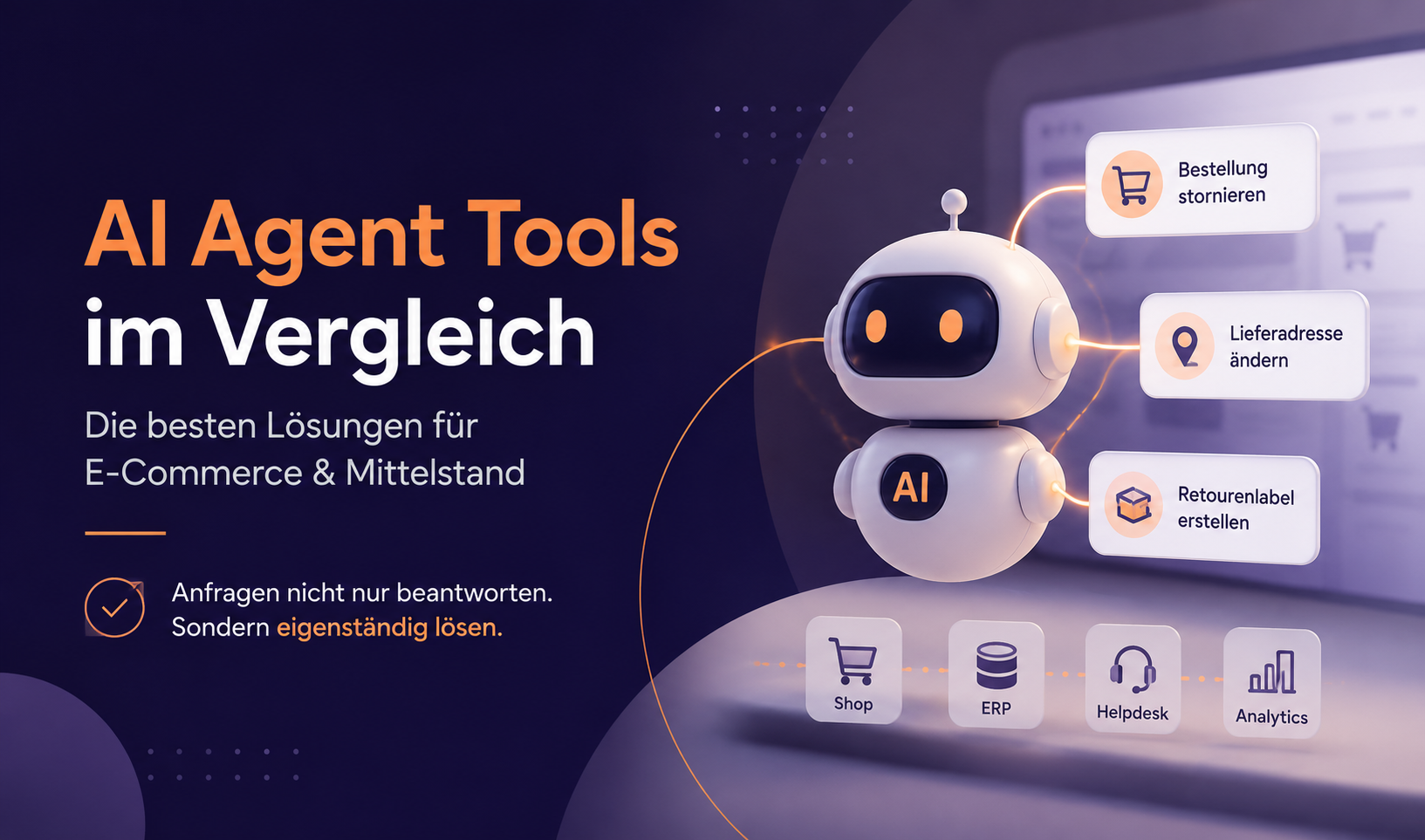
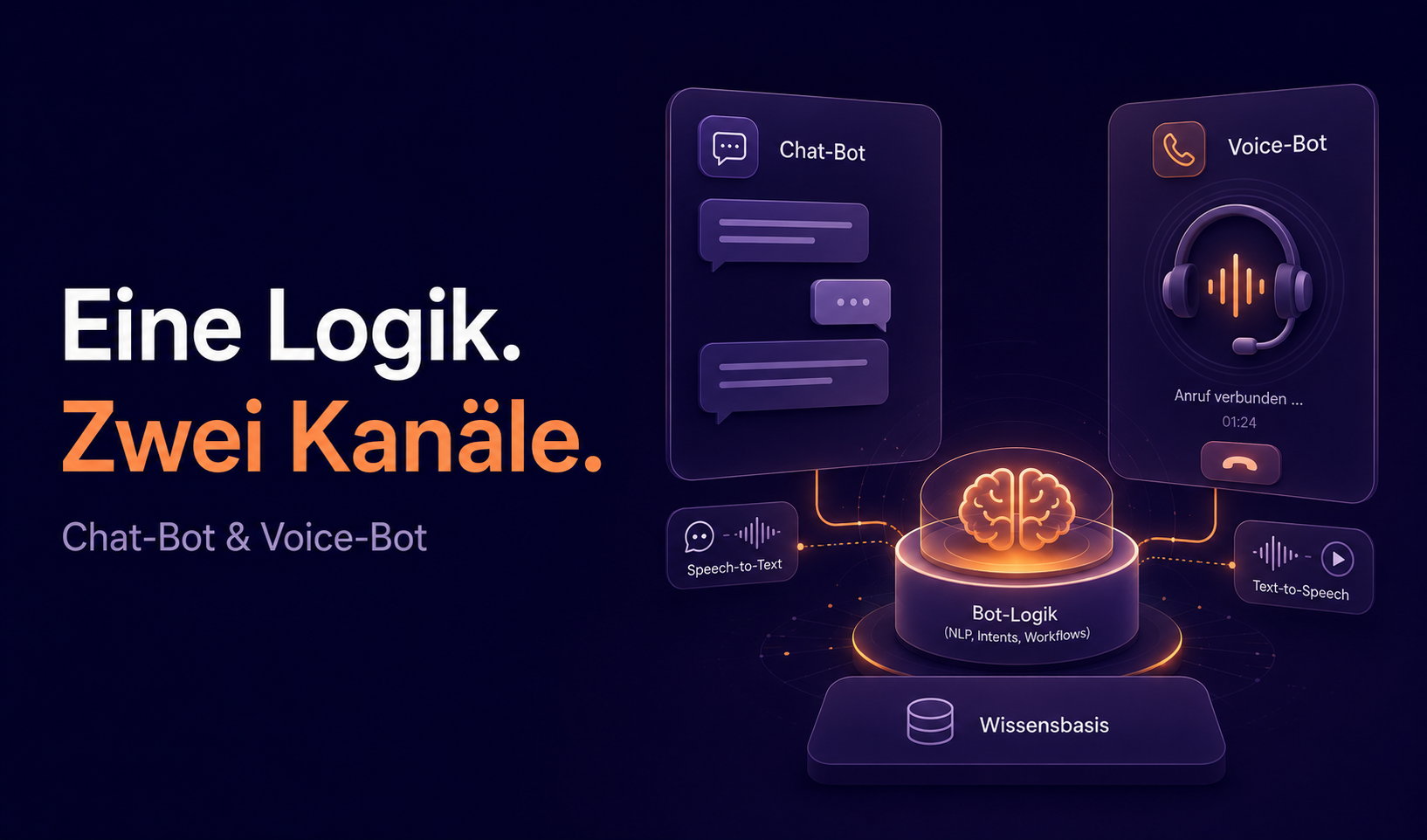
For questions covered by your FAQs and other routine questions (Where's my package? How do I return something?), a chatbot can be a huge relief for your customer service team. Because simple but time-consuming inquiries never even reach your customer service team, your employees can focus on more demanding and profitable inquiries.
A chatbot can also be the right solution internally. Your chatbot can solve typical IT problems for your employees or find the right forms without colleagues being interrupted in their workflow. Vacation planning and feedback management also become much easier with chatbots for employees. So you can not only optimize your customer service but also make processes within your company more efficient.

If your company mainly works with an email support ticket system, melibo's Ticket Automation can also be the perfect digital tool for you. Inquiries are automated, tickets can be categorized with AI and then forwarded to the right employees through smart ticket routing. To take even more load off your employees, Ticket Automation offers suggested answers that employees just need to select, in addition to automatically answered tickets. If you'd like to know how melibo's Ticket Automation can make your customer service stress-free, watch our webinar, in which our CTO Jonas explains how our Ticket Automation works using practical examples.
No staff shortages in customer service thanks to an AI chatbot
Where your customers used to wait a long time for their inquiry to be answered, your chatbot now offers them 24/7 service and instant answers. If the chatbot ever can't answer an inquiry, it can pass it directly to a service agent via smart human handover, with all the customer's information already prepared by the chatbot. That way, customers don't have to repeat themselves, and frustration is avoided.
Many work steps can be automated this way. With various AI tools, an automation rate of about 60% can be achieved. Waiting times for your customers get shorter without the quality of your service suffering.
Your best employee: your own chatbot
If your team suffers from a permanent staff shortage, it leads to more time pressure and constant overwork for individual employees. Finding and onboarding new employees can be expensive and takes time. A chatbot, on the other hand, is – depending on the provider – ready to use within a few weeks and takes the load off your customer service from day one. That way you can optimize your customer service and relieve your employees at the same time.
Good employee retention keeps your employees with you longer, and by investing in them, you make them more effective problem solvers in your company. They then also work on optimizing your customer service and recommend your company as an employer more often.