Conversational AI and generative AI: why the investment pays off now
Where it's feasible and makes sense, machines already take over simple, monotonous tasks in companies. Conversational AI and generative AI cover a broader range of technologies and approaches to enable natural conversations with users. Future-oriented companies no longer need to ask whether to invest in chatbots – the question is rather: can I afford not to? In this article, we show you what's behind the technology and how you can use it for your company.
Specifically, we cover:
- conversational AI and generative AI – what they are and where they can be used
- how they help you improve your customer service
- which industries already use conversational AI
- how you can use conversational AI
What is conversational AI?
Conversational AI? 🤔 It stands for artificial intelligence that holds automated conversations with several people. It's a fusion of AI and communication that's now used both in spoken form (e.g. Alexa) and in writing (e.g. chatbots).
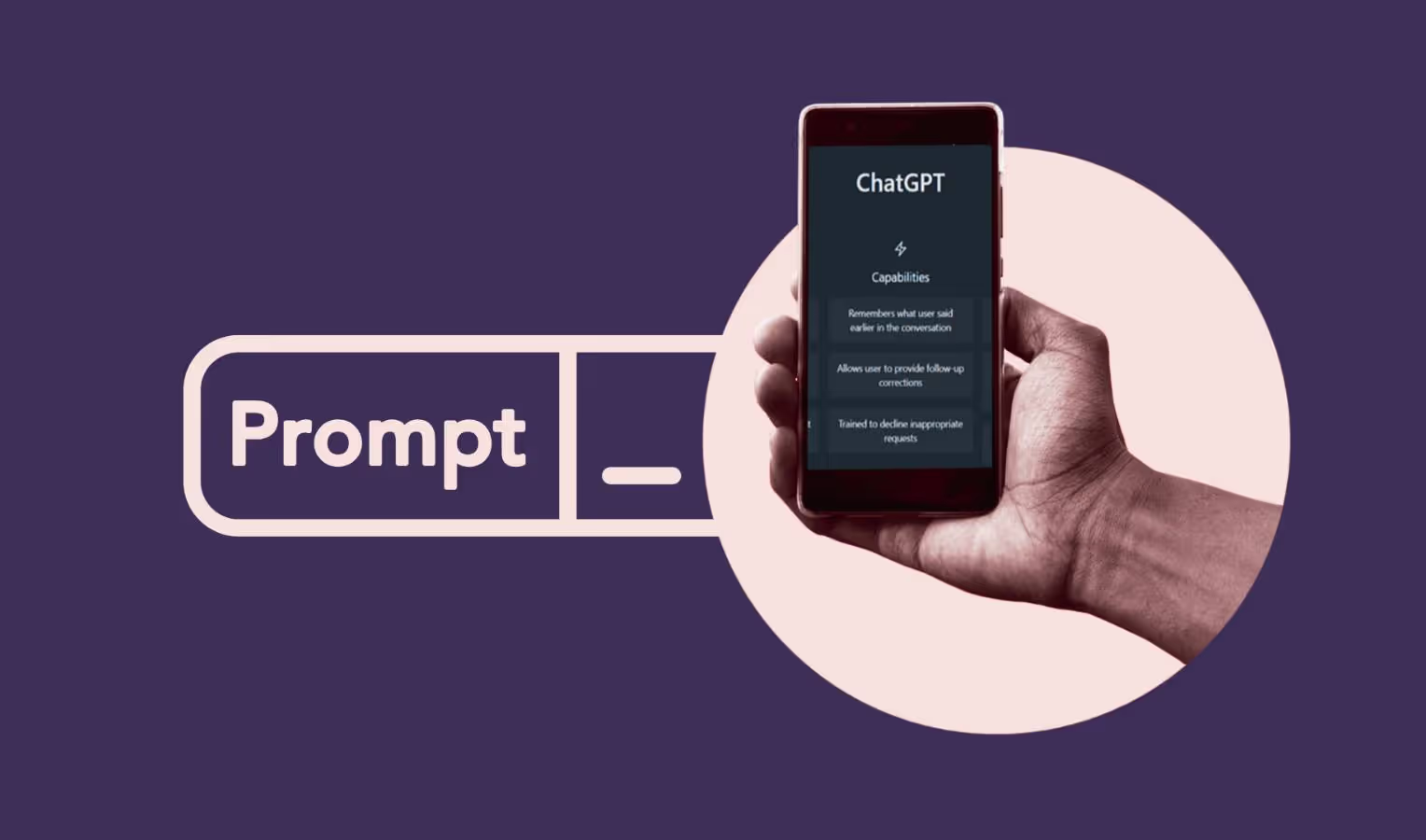
By the way, generative AI and conversational AI aren't the same thing, although they can be connected and are often used together. Generative AI refers to artificial intelligence models and algorithms that can generate human-like text or other types of content. A prominent example of generative AI is GPT-3.
Conversational AI refers to artificial intelligence systems specialized in holding natural conversations with users. These systems can take the form of chatbots, virtual assistants or voice assistants.
Where is generative AI used?
Generative AI is used in various areas, such as content creation. Using algorithms, generative AI can produce text, images or even music.
In content marketing, companies can use this technology to create articles, blog posts or product descriptions automatically and so increase their output. Generative AI is also used in the film industry to generate scripts or improve visual effects. This technology lets copywriters expand their creative skills and develop innovative solutions for various fields of application.
Generative AI can create text that can then be integrated into language applications such as chatbots. These chatbots can then answer questions based on the AI-generated text.
Generative AI in customer service
Chatbots with generative AI have become an indispensable tool for making customer service more efficient and user-friendly. With generative AI, chatbots can interact naturally with users and help them resolve their concerns.
Thanks to smart speech recognition and processing, the bots can answer complex questions and make personalized recommendations. By automating frequently asked questions, companies not only save time and resources but also improve the customer experience considerably.
Whether in e-commerce, HR or healthcare – chatbots generally require little implementation effort while delivering enormous benefits for companies and their customers.
How can conversational AI take the load off companies?
Conversational AI assistants are indispensable for companies. They take over monotonous tasks, increase efficiency and are versatile across different business areas.
Here are some examples:
- Data collection: gathering relevant data for business decisions.
- Customer communication: answering simple questions and relieving employees; improving user experience and customer support.
- Personalization: creating individual offers and advice; communicating with several people at once.
- Event management: handling live communication at events.
- Internal processes: taking sick notes and helping with complaints; minimizing the potential for disputes on sensitive topics through sentiment analysis.
- HR management: relief during staff shortages by taking over routine tasks; recruiting and onboarding.
Which industries already use conversational AI?
- e.g. e-commerce,
- publishing,
- HR,
- industry,
- education,
- energy,
- tourism,
- healthcare,
- finance …
What's the difference between conversational AI and chatbots?
"Conversational AI" refers to technologies designed to communicate with people in a natural way. "Chatbots" are specific applications within these technologies designed to hold text-based conversations.
How chatbots developed
Rule-based chatbots came first. Such a bot can answer defined questions, but free-text input usually isn't possible – and if it is, it understands relatively little of it. Still, the rule-based chatbot has its place as an assistant in the FAQ section of your website. Common examples your bot can answer are opening hours or order status. With artificial intelligence and machine learning, chatbots can now process free text and learn relationships.
Conversational AI is more than a simple question-and-answer game. AI can interact with one or more people, so you have the perfect answer for every customer – quickly and efficiently!
In the background, machine learning algorithms analyze every conversation. That way they learn to respond better to concerns in future dialogs – this process is called machine learning. Thanks to natural language processing (NLP), the bot can recognize words in context and understand whole sentences. Since it can learn and takes your customers' preferences into account, user experience is an important factor.
Chatbots that infer intentions and respond just like humans? They're available via website, app or smart home device and process information using AI.
Improving the user experience
Here are some examples of chatbots and conversational AI applications in different areas:
Customer service:
An e-commerce company uses a chatbot on its website to help users with questions about orders, returns and product information.
A fashion company uses conversational AI to give users personalized fashion advice and style suggestions.
Education:
An online education platform uses a chatbot to support students with questions about course content, homework and exam preparation.
A university uses a chatbot to help students plan their studies and register for courses.
Tourism:
A travel agency uses a chatbot to provide travelers with information on sights, accommodation and itineraries.
A hotel uses conversational AI to help guests with reservations, room service orders and concierge services.
An airline uses a chatbot to make booking flights easier, issue boarding passes and provide flight information.
Technology:
A tech company uses a chatbot to help users with technical support, troubleshooting and device configuration.
A software maker uses conversational AI to offer users training and guides for its products.
These examples show how versatile and flexible chatbots and conversational AI can be across industries and use cases, improving interaction between companies and users and meeting their needs more efficiently.
These chatbots get particular praise on OMR Reviews:
- melibo
- moinAI
- Chatchamp
- Userlike
- Tidio
Conclusion: want to take the load off your employees and see your customers happy? Then conversational AI and chatbots are right for you!
These benefits make conversational AI an attractive option for companies in many industries that want to improve user experience and increase efficiency and customer satisfaction. Relieving employees improves the working atmosphere and saves costs.
However, implementing conversational AI requires careful planning and adaptation to a company's specific requirements and goals. You'll find chatbots that need less effort at melibo, for example – we put usability first to automate your internal and external processes optimally. 💪