Welcome to the world of digital HR assistants
In an era when artificial intelligence is increasingly part of everyday work, HR chatbots are no longer a thing of the future – they're an essential part of modern HR strategies. From first contact to long-term retention, digital assistants are fundamentally changing recruiting and HR processes.
In this updated post, we show you how companies use HR chatbots in 2025, what benefits they offer and what to watch out for when implementing them – including an exciting outlook to 2030.
What are HR chatbots?
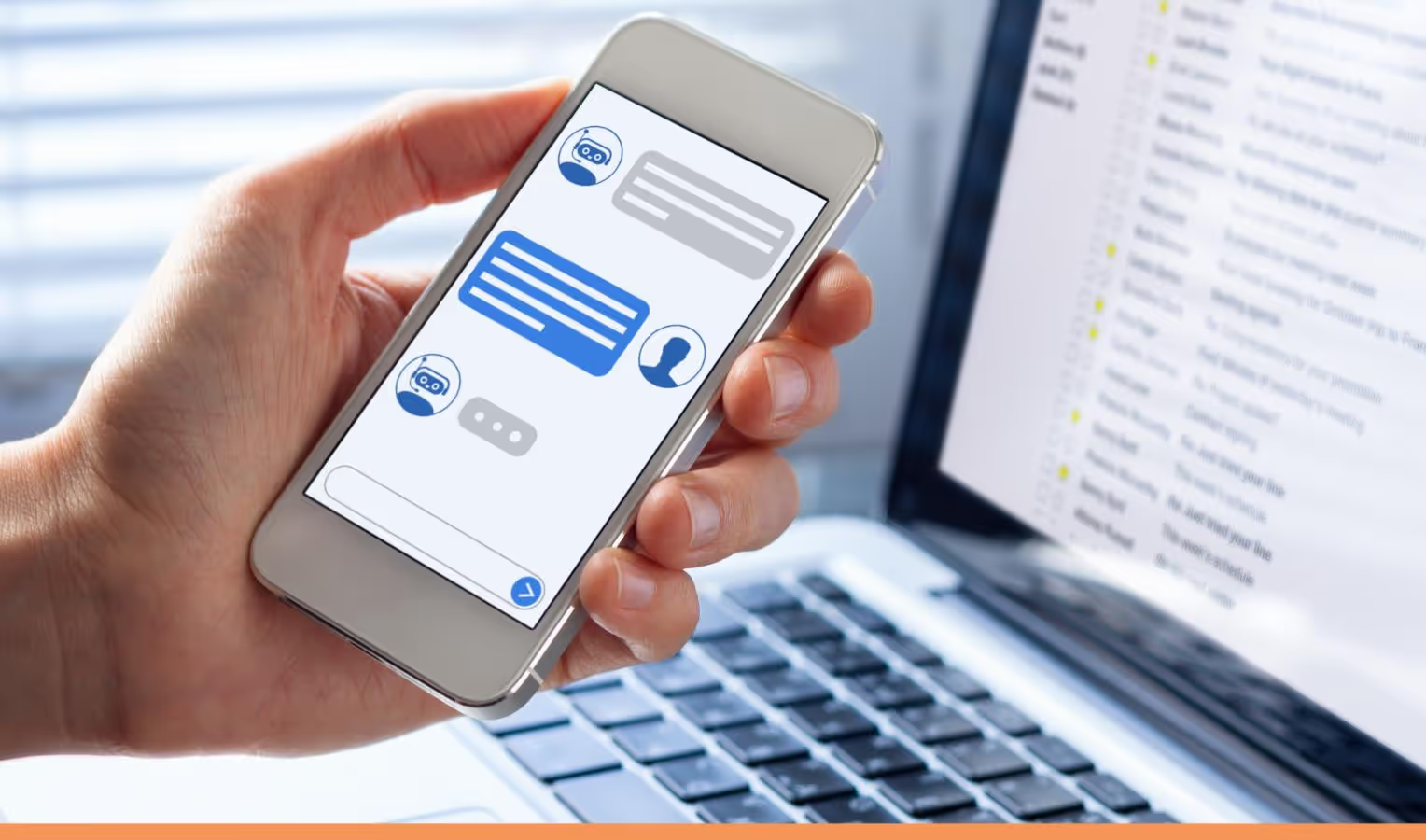
HR chatbots are AI-driven digital assistants that support applicants, new hires and existing team members with HR-related concerns. They can:
- answer questions,
- automate processes,
- provide information,
- collect feedback
- or even accept applications.
Thanks to natural language processing (NLP), modern HR chatbots can communicate in natural language – both in writing and by voice. They don't replace people; they act as smart support in day-to-day business.
The three main areas of use for HR chatbots
I. Recruiting chatbots – rethinking the application
1. Activate passive talent
Many qualified professionals aren't actively looking for a job but are open to offers. That's exactly where modern recruiting chatbots come in: they offer a low-threshold, discreet way into the application process – no CV or cover letter needed.
Example: A QR code at an event leads to a chatbot that playfully asks about interests, skills and wishes. Only when there's real interest is the data passed on to the HR team – trust included.
2. Applying without forms
Gen Z in particular expects fast, simple, mobile application processes. Chatbots offer exactly that: interactive conversations instead of static forms. They can ask relevant questions, record qualifications and even schedule interviews.
Tip: Combined with speech recognition, you can reach new target groups – e.g. in logistics or care.
II. Onboarding chatbots – a structured welcome
1. Integrate quickly, start efficiently
First impressions count – for new employees too. An onboarding chatbot guides them through all the relevant information: from the first working day and company values to setting up tools and access.
2. Always available – even on weekends
A big advantage: chatbots are available 24/7. Anyone with questions about their employment contract or internal processes on a Sunday doesn't have to wait until Monday. That creates confidence and a better start at the company.
III. Chatbots in employee support
1. Day-to-day support
Even after onboarding, the HR chatbot remains a reliable point of contact. It helps with:
- vacation requests,
- forms,
- internal training offers,
- FAQs on employment law or payroll.
This automates standard requests and takes the load off HR teams.
2. Measure employee satisfaction
A modern HR chatbot can regularly collect anonymous feedback – on company culture, workload or satisfaction with the team. Early warning signs of burnout or dissatisfaction are easier to spot this way.
Benefits of HR chatbots in 2025
1. Time savings & higher efficiency
Routine tasks such as answering frequently asked questions or collecting documents take time. An HR chatbot automates these processes so the HR team can focus on strategic tasks.
2. Constant availability
Night or holiday, the chatbot is always online. That's an invaluable advantage, especially for international companies across different time zones.
3. Better candidate experience
Thanks to fast response times and personalized communication, applicants feel valued and professionally looked after – which increases the chance of a successful hire.
4. Scalability during growth
When a company grows fast, it's hard for HR support to keep pace. A chatbot can handle any number of requests at once – with no waiting times.
5. Data-driven HR decisions
Every chatbot contact delivers valuable data. It can be analyzed to optimize processes, identify common problems and make better decisions.
New trends in 2025: what's next?
1. Integration with HR software & ERP systems
Modern HR chatbots are seamlessly connected to systems such as SAP SuccessFactors or Personio. They access relevant data in real time and fully automate processes – e.g. for vacation approvals, employment contracts or training.
2. Voice chatbots in HR
The next generation of HR chatbots can not only type but also speak and listen. That makes communication even more natural, especially in jobs with little screen time.
3. Emotional intelligence through sentiment analysis
AI models are getting better and better at recognizing users' tone and mood. So a chatbot can respond sensitively to signs of frustration or uncertainty – and bring in an HR employee directly if needed.
Challenges and solutions
1. The limits of automation
A chatbot can't answer every question. In such cases, human handover systems automatically forward the request to the responsible HR staff.
2. Data protection & compliance
HR chatbots process personal data. That's why they have to be GDPR-compliant and offer transparent processes for data use.
3. Acceptance in the team
Technology alone isn't enough – employees also need to develop trust in the chatbot. Regular training and clear communication help with acceptance.
FAQ: frequently asked questions about HR chatbots
- Do HR chatbots replace human employees?
No – they relieve HR teams, take over routine tasks and improve service quality.
- How much does an HR chatbot cost?
Costs vary by provider and scope. There are simple solutions from around €200/month as well as enterprise systems.
- Are HR chatbots GDPR-compliant?
Yes – if they're implemented correctly, including data encryption, access controls and information obligations.
- Which tools are suitable for HR chatbots?
Popular providers include melibo, Tars, Parloa, Chatlayer or SAP Conversational AI.
- Can a chatbot handle applications end to end?
Yes – including CV collection, screening questions, scheduling and forwarding to HR.
Outlook: how will HR chatbots develop by 2030?
Technological progress in artificial intelligence and conversational interfaces will continue at a rapid pace in the coming years. For HR chatbots, this means:
1. Even more personalization
With AI-powered analytics and machine learning, chatbots will understand even better what each employee needs – and respond in real time.
2. Integration of predictive HR
Chatbots won't just react, they'll act. Using predictive analytics, they'll recognize, for example, when an employee might quit or when there's potential for further training – and can take early countermeasures.
3. AI ethics and explainability
As AI grows in importance, so does the call for transparent, explainable AI in HR. Companies will increasingly have to pay attention to traceable algorithms – for both ethical and regulatory reasons.
4. Chatbots merging with digital avatars
Thanks to advances in 3D animation and voice AI, HR chatbots could soon appear as digital avatars that communicate realistically – on websites, in virtual meetings or in the metaverse.
5. Global HR platforms with a chatbot-first approach
International companies are increasingly relying on central HR platforms with chatbot-first strategies. There, the chatbot acts as the central interface for all HR topics – regardless of language, location or time zone.
Conclusion: people stay at the center
HR chatbots have long been more than a technical experiment. They're the key to modern, efficient and more human HR work. By automating routine tasks, simplifying communication and using data intelligently, they make room for what really matters: people.
A chatbot doesn't replace empathy – but it amplifies it by reducing operational hurdles and enabling real conversations. Companies that invest in this technology today are laying the foundation for a new kind of employee experience – one that's digital, accessible and human at the same time.
The coming years will show that HR chatbots are establishing themselves not just as a tool, but as a strategic partner. They connect technology and emotion, data and humanity – shaping a working world where communication finally works the way it should: simple, direct and empathetic.