In this post, you'll learn:
Onsite marketing? That's everything that wins over you and the visitors to your website. Lead generation can be the first step – then everything else is child's play.
In onsite marketing, the customer journey is the crux. Every measure has to be matched to a specific step, for example with a purchase incentive when customers are about to buy. That lowers your bounce rate and gets the most out of every visit – conversion rate optimization included! Chatbots definitely belong among the measures for optimizing your onsite marketing. We'll show you exactly how it works.
- what onsite marketing is
- how chatbots are used in onsite marketing
- what benefits chatbots offer in onsite marketing
What exactly is onsite marketing?
Onsite marketing refers to marketing activities that take place directly on your own website or platform to attract, engage and convert visitors. Unlike offsite marketing, which focuses on external channels such as social media, search engine marketing and display ads, onsite marketing focuses on optimizing the user experience and interacting with people who are already visiting your website. Here are some key aspects of onsite marketing:
- Website design and usability: effective onsite marketing starts with a well-designed, user-friendly website. It should be easy to navigate, contain clear call-to-action elements (CTAs) and provide relevant information.
- Content marketing: creating and providing high-quality content on your website is a key aspect of onsite marketing. This can take the form of blog posts, articles, videos, infographics and other media.
- Conversion optimization: onsite marketing aims to turn visitors into customers or leads. This includes strategies such as optimizing landing pages, implementing lead generation forms and improving the checkout process (for an e-commerce website).
- Personalization: personalizing content and offers based on visitors' behavior and preferences can increase conversion rates. This can be achieved with tools and technologies such as personalized recommendations and chatbots.
- Social proof and customer reviews: showing customer reviews, testimonials and other forms of social proof can strengthen visitors' trust and encourage them to take action on your website.
- A/B testing and optimization: onsite marketing often involves A/B tests, in which different versions of web pages or elements are tested to find out which work best. This leads to continuous optimization.
- Chatbots and live chat: integrating chatbots or live chat on your website lets you support visitors in real time, answer questions and guide them through the decision process.
- Email marketing: collecting email addresses on your website and sending relevant emails to subscribers are important parts of onsite marketing to promote customer loyalty and conversions.
Overall, onsite marketing aims to maximize your website's effectiveness as a marketing tool and turn visitors into valuable customers or leads. It's a crucial part of a holistic digital marketing strategy. And that's where chatbots come in.
How are chatbots used in onsite marketing?
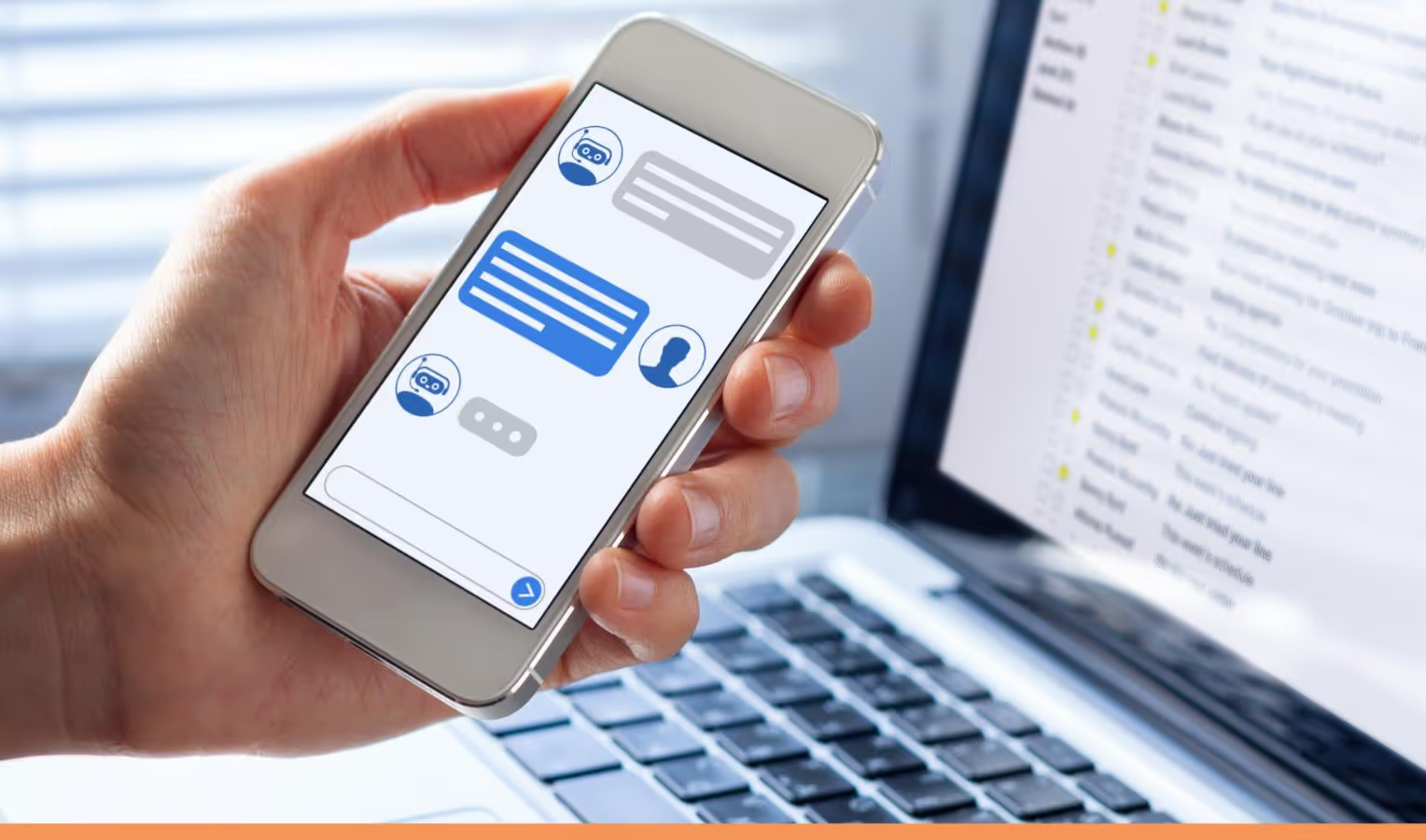
When it comes to onsite marketing, chatbots like those from melibo are becoming more and more popular. These AI-powered virtual assistants can interact with website visitors in real time, give them personalized recommendations and answer frequently asked questions. A clothing retailer, for example, could use a chatbot to help customers find the perfect outfit based on their preferences and style.
Chatbots can also be programmed to collect valuable data on user behavior and preferences, so companies can optimize their marketing strategies. Available around the clock and able to hold several conversations at once, chatbots are revolutionizing the way companies interact with their online audience.
What benefits do chatbots offer in onsite marketing?
Onsite marketing with chatbots offers a range of benefits for your company and website visitors:
- 24/7 availability: chatbots are available around the clock to answer visitors' questions and offer support, even outside regular business hours. That improves customer satisfaction and lets companies reach potential customers at any time of day or night.
- Fast response: chatbots can respond to inquiries instantly, minimizing waiting times. That's especially important for keeping visitors interested and not losing potential customers.
- Scalability: chatbots can handle a large number of inquiries at once without needing additional resources. That lets companies scale without compromising the customer experience.
- Cost savings: using chatbots can significantly reduce your customer support costs, because fewer human resources are needed to answer frequently asked questions and handle simple tasks.
- Personalization: advanced chatbots can use user data to provide personalized recommendations and content. That increases the likelihood of visitors becoming customers.
- Efficient data collection: chatbots can collect information from visitors, such as contact details or preferences. This data can be used for audience segmentation and lead management.
- Higher conversion rates: by offering visitors targeted information and support, chatbots can help increase conversion rates, as they can guide visitors through the sales process.
- Scalable customer experience: combining chatbots with human customer support lets your company offer a scalable customer experience. Chatbots can handle simple tasks while complex inquiries are forwarded to human agents.
- Efficient customer retention: chatbots can keep providing useful information and support after the purchase to promote customer loyalty and use opportunities for cross-selling and upselling. 💪
Overall, integrating chatbots into onsite marketing can increase efficiency, improve customer satisfaction and help companies build valuable customer relationships.
Conclusion
Onsite marketing is a must for building a competitive online store 🛒 – with chatbots, it's perfect 🤖!
Your customers need to be engaged! With landing page optimization, pop-ups and welcome offers, e.g. via chatbot, we make customers curious and motivate them to buy. "Sales generate leads" – fast, simple, successful.
Tailored product advice via chatbot or similar features? 💪 That increases customer satisfaction and gives you a competitive edge!
Onsite marketing can also help you optimize your bounce and conversion rates, for example with targeted exit-intent campaigns.
Combined with chatbots, it's your key to success 🔑. Our ideas are just right for increasing your conversion rate 📈 without big investments. What are you waiting for? 👈